What is rehab like? This is one of the most common questions you may have when considering treatment for yourself or a loved one.
Understanding what to expect can help reduce uncertainty and make the decision to seek care feel more manageable. By learning how care is structured and what the experience typically involves, you can gain a clearer picture of what goes on in a rehab environment and how the process supports long-term recovery.

Understanding Rehab
Rehab, or rehabilitation, is a structured treatment process designed to help you address substance use, stabilize your physical and emotional health, and begin building a foundation for long-term recovery.
While each program may vary, most rehab centers follow a consistent schedule that combines therapy, education, and supportive activities throughout the day. Because of these differences, selecting the right treatment center is an important part of the process, as the structure, therapies, and level of support can influence your overall recovery experience.
What Your Daily Routine May Look Like
Your day in rehab is typically structured from morning to evening. This structure helps reduce uncertainty, build consistency, and support your physical and emotional recovery.
A typical day may include:
- Morning check-ins or goal setting to help you focus on your recovery for the day
- Individual therapy sessions where you work one-on-one with a counselor or therapist
- Group therapy, where you connect with others and share experiences in a supportive setting
- Educational sessions about addiction, mental health, and relapse prevention
- Skill-building activities that help you manage stress, triggers, and emotions
- Meals and scheduled breaks to support physical health and routine
- Wellness activities such as exercise, mindfulness, or recreational therapy
- Evening reflection or support meetings to reinforce progress and prepare for the next day
This structured routine helps you focus on recovery without the distractions or triggers you may face in your daily environment.
Treatment Approaches Used in Rehab
Rehab programs typically use a combination of evidence-based therapies and supportive care. These approaches are designed to help you understand the underlying factors contributing to substance use and develop healthier coping strategies.
Common treatment approaches may include:
- Cognitive Behavioral Therapy (CBT) to help you recognize and change harmful thought patterns
- Motivational Interviewing (MI) to strengthen your commitment to recovery
- Trauma-informed therapy is for those whose past experiences contribute to substance use
- Dual diagnosis treatment, if you are also managing mental health conditions such as anxiety or depression
- Family therapy to help rebuild relationships and improve communication
- Peer support and group counseling to reduce isolation and build community
Many programs also include holistic approaches such as mindfulness, fitness, or life-skills training to support your overall well-being.
How Long Does Rehab Last?
The length of rehab varies depending on your needs, the severity of substance use, and the level of care you enter. Research consistently shows that longer treatment durations are associated with better outcomes and more stable recovery.1
Common Rehab Timelines
Most rehab programs fall into several general timeframes:
- 30 days — Short-term stabilization and early recovery
- 60 days — More time to build coping skills and address underlying issues
- 90 days or longer — Often recommended for stronger long-term outcomes
- 3–12 months or longer — Extended care, outpatient treatment, or recovery housing
Typical residential programs often last 30 to 45 days, with some extending to 90 days depending on individual needs and treatment progress.2
So why does rehab vary? Because addiction is considered a chronic health condition, recovery often happens in stages rather than a single fixed timeline. Some individuals begin with residential treatment and then transition into outpatient care, therapy, or recovery housing for ongoing support.
Levels of Care in Rehab: Which One Is Right for You?
Understanding these levels can help you determine which option may be most appropriate for your situation.
Inpatient Residential Treatment
Inpatient residential treatment provides the highest level of care and structure. When you enter a residential program, you live at the treatment facility for a set period, typically ranging from a few weeks to several months.
This level of care may be recommended if you:
- Need medical or emotional stabilization
- Have experienced relapse or multiple treatment attempts
- Do not have a stable or supportive home environment
- Require distance from triggers or high-risk environments
During inpatient treatment, your days are structured with therapy sessions, counseling, educational programs, and wellness activities. You also receive consistent support from clinical staff and peers, which can help you focus fully on recovery without outside distractions.
Because inpatient programs offer 24-hour supervision and support, they are often used as the starting point for individuals who need more intensive care.
Partial Hospitalization Programs (PHP)
Partial Hospitalization Programs, commonly referred to as PHP, provide intensive treatment while allowing you to return home or to recovery housing in the evenings.
PHP programs typically involve:
- Several hours of therapy per day
- Structured treatment multiple days per week
- Ongoing clinical and therapeutic support
- Continued skill-building and relapse prevention
This level of care may be appropriate if you no longer require 24-hour supervision but still benefit from a structured and supportive treatment environment.
Intensive Outpatient Programs (IOP)
Intensive Outpatient Programs offer more flexibility while still providing structured treatment and support. With IOP, you attend therapy sessions several times per week, often for a few hours at a time.
IOP may be suitable if you:
- Are transitioning from inpatient or PHP care
- Have work, school, or family responsibilities
- Are stable but still need structured support
- Want to continue developing coping and relapse prevention skills
This level of care allows you to begin practicing recovery skills in your daily life while maintaining consistent therapeutic support. Many individuals use IOP as a bridge between intensive treatment and full independence.
Outpatient Treatment
Outpatient treatment is the least intensive level of care and typically involves scheduled therapy sessions once or a few times per week. This option allows you to continue your daily responsibilities while maintaining ongoing recovery support.
Outpatient care may include:
- Individual counseling
- Group therapy
- Medication management, if needed
- Continued relapse prevention planning
This level is often recommended after completing more intensive treatment or for individuals with milder substance use concerns and strong support systems.
What Happens After Rehab? Transitioning to Ongoing Recovery
After rehab, you begin transitioning back into daily life while continuing to build the skills and support systems that help maintain long-term recovery. This phase is often referred to as ongoing recovery or continuing care, and it helps you stay stable and confident outside of a structured treatment environment.
Stepping Down to Lower Levels of Care
Many people move through a step-down approach after completing inpatient or residential treatment. This means transitioning into less intensive levels of care while maintaining structured support.
Recovery Housing and Sober Living
Some individuals choose to continue their recovery in recovery housing or sober living environments. These settings provide a supportive, substance-free space while you rebuild daily routines and responsibilities.
Continuing Therapy and Support
Ongoing therapy often remains an important part of recovery after rehab. You may continue with counseling and group meetings to help reinforce the coping skills you developed in rehab while addressing new challenges that may arise as you return to everyday life.
How Taste Recovery Helps You Find the Right Rehab Program
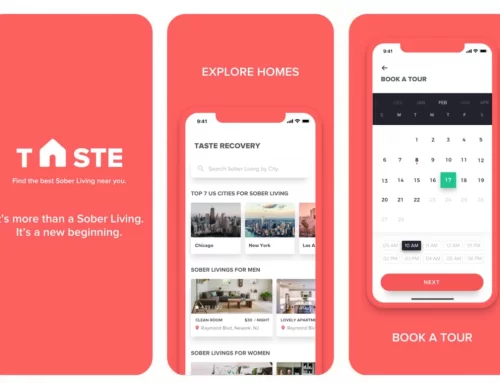
Whether you are searching for detox near you and need help today, exploring residential care, or looking for flexible outpatient or virtual options, Taste Recovery provides guidance designed to help you make informed decisions.
Instead of navigating treatment options on your own, you gain access to a trusted resource that matches you with appropriate levels of care and supportive recovery environments.
Taking the first step can feel challenging, but having the right guidance and support can make the process more manageable and help you find the treatment program that fits your needs.
Sources:
- Gerstein, D. R., & Harwood, H. J. (2018). The Effectiveness of Treatment. Nih.gov; National Academies Press (US). https://www.ncbi.nlm.nih.gov/books/NBK235506/
- Mohammad, A., Irizarry, K. J., Shub, R. N., & Sarkar, A. (2017). Addiction Treatment Aftercare Outcome Study. Open Journal of Psychiatry, 07(01), 51–60. https://doi.org/10.4236/ojpsych.2017.71005