What is stimulant use disorder? This question often arises when you begin to notice how stimulant use can affect your behavior, health, and daily life.
To better understand stimulant use disorder, it is important to explore how it develops, the signs and symptoms to watch for, and the ways it can affect your brain, body, and long-term health.

Understanding Stimulant Use Disorder
Stimulant use disorder happens when you continue using stimulant drugs even when they begin to harm your health, relationships, work, or daily life. What may start as occasional or controlled use can gradually become difficult to stop, especially as your body and brain begin to rely on the effects of the drug.
Stimulants are substances that increase activity in your central nervous system. They make you feel more alert, energized, focused, or euphoric. Common stimulants include:
- Cocaine
- Amphetamine
- Methamphetamine
- MDMA (also known as ecstasy or Molly)
- Prescription stimulants such as Adderall and Ritalin
Then, you may begin to depend on stimulants to feel normal, making it harder for you to stop even if you want to.
How Stimulant Use Disorder Develops
Stimulant use disorder often develops gradually. You might begin using stimulants to:
- Stay awake or improve focus
- Boost energy or performance
- Cope with stress or emotional difficulties
- Feel pleasure or euphoria
As you continue using stimulants, your tolerance may increase. This means you may need larger amounts to achieve the same effects.
How Stimulants Affect the Brain and Body
When you use stimulants, they directly affect how your brain communicates and how your body responds.
Stimulants Affecting the Brain
Stimulants primarily affect three key brain chemicals:
- Dopamine
- Norepinephrine
- Serotonin
These chemicals help regulate motivation, attention, mood, and reward. Research shows that stimulant drugs increase the levels of these neurotransmitters in the brain, particularly dopamine, which plays a major role in pleasure and reinforcement.1
In fact, cocaine, amphetamine, and methamphetamine increase dopamine levels in the brain’s reward pathways, which contribute to their reinforcing and addictive effects.2
Stimulants Affecting the Body
Stimulants not only increase central nervous system activity, but they also affect your body. When you use stimulants, you may experience:
- Increased heart rate
- Higher blood pressure
- Reduced appetite
- Increased body temperature
- Faster breathing
- Dilated pupils
- Increased energy and alertness
These effects occur because stimulants activate your body’s “fight-or-flight” response. Over time, this increased stress on your body can raise the risk of cardiovascular problems and other health complications.
Signs and Symptoms of Stimulant Use Disorder
Understanding the many aspects of stimulant use disorders can help you identify when stimulant use begins to affect your health, behavior, and daily functioning. Stimulant use disorder develops through a pattern of physical, psychological, and behavioral changes that occur over time.
Behavioral Signs
These changes often develop gradually and may become more noticeable as use continues. You may:
- Use stimulants more often or in larger amounts than intended
- Try to cut down or stop, but find it difficult
- Spend significant time obtaining, using, or recovering from stimulants
- Experience strong cravings or urges to use
- Continue using despite problems at work, school, or home
- Withdraw from responsibilities or social activities
- Take risks while under the influence
These behavioral changes often reflect how stimulant use begins to interfere with your daily life and decision-making.
Physical Symptoms
Stimulants also produce noticeable physical symptoms, as mentioned above (how stimulants affect your body).
Over time, repeated stimulant use can place strain on your body, particularly your cardiovascular and nervous systems. These physical symptoms may become more pronounced with continued use.
Psychological and Emotional Symptoms
You may notice changes in how you think or feel, including:
- Anxiety or nervousness
- Irritability or mood swings
- Increased confidence or euphoria during use
- Depression or fatigue after use
- Difficulty concentrating
- Paranoia or suspicious thinking
- Agitation or restlessness
In some cases, especially with long-term or high-dose use, you may also experience more severe symptoms such as confusion or stimulant-induced psychosis.
Signs of Dependence
As stimulant use disorder develops, your body and brain may begin to adapt to the drug. This can lead to:
- Tolerance, where you need more of the stimulant to feel the same effects
- Withdrawal symptoms when not using
- Cravings that make it difficult to stop
- Continued use despite negative consequences
Withdrawal from stimulants may include fatigue, depression, sleep changes, and increased appetite. These symptoms can make stopping more challenging and contribute to continued use.
By understanding these signs and symptoms, you can identify when stimulant use begins to shift from occasional use to a pattern that may require support or medical attention.
Evidence-Based Treatment and Recovery Options
Recovery looks different for everyone, but several treatment options consistently help people reduce stimulant use and support long-term recovery.
Behavioral Therapies
Behavioral therapies are among the most effective treatments for stimulant use disorder. These approaches help you understand your patterns of use, manage triggers, and develop healthier coping strategies.
One of the most widely studied treatments is Cognitive Behavioral Therapy (CBT). CBT helps you:
- Identify triggers that lead to stimulant use
- Recognize harmful thinking patterns
- Develop coping strategies for cravings
- Build healthier routines and behaviors
Motivational Interviewing
Motivational Interviewing is another evidence-based approach that helps you explore your goals and reasons for change. Instead of focusing on pressure or confrontation, this method supports you in:
- Clarifying your personal motivations
- Strengthening your commitment to recovery
- Reducing ambivalence about stopping use
Medical and Clinical Support
Although there are currently fewer medications specifically approved for stimulant use disorder compared to other substance use disorders, healthcare providers may help you:
- Manage withdrawal symptoms
- Treat co-occurring mental health conditions such as anxiety or depression
- Monitor physical health concerns related to stimulant use
- Provide structured treatment planning
Peer Support and Recovery Programs
Recovery often becomes more sustainable when you have support from others. Peer support programs can help you:
- Connect with people who share similar experiences
- Reduce feelings of isolation
- Build accountability and encouragement
- Learn practical recovery strategies
Outpatient and Inpatient Treatment Options
Depending on your needs, you may benefit from different levels of care:
- Outpatient treatment allows you to continue working or managing daily responsibilities while attending scheduled therapy sessions.
- Intensive outpatient programs (IOP) provide more structured support with multiple weekly sessions.
- Inpatient or residential treatment offers a more structured environment if stimulant use has significantly impacted your daily life or health.
Recovery from stimulant use disorder is often a gradual process. With the right support, evidence-based care, and continued effort, recovery becomes more achievable and sustainable over time.
How Taste Recovery Can Help Connect You with Accredited Treatment Programs
There are many treatment programs, recovery housing options, and levels of care, and it can be difficult to know which one fits your situation. This is where a trusted resource can help guide you toward the right support.
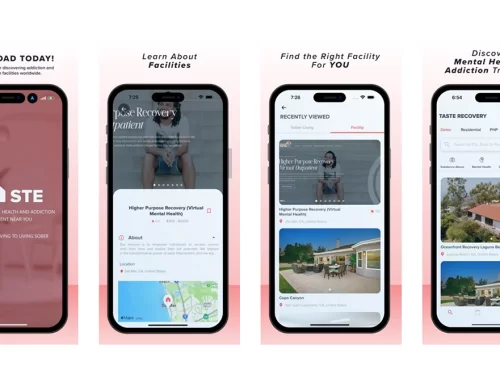
Taste Recovery helps you take that step by connecting you with accredited treatment programs and recovery housing designed around your individual needs. With personalized guidance and access to trusted providers, you can move toward recovery with the support and resources that fit your journey.
Sources:
- Sofuoglu, M., & Sewell, R. A. (2009). Norepinephrine and stimulant addiction. Addiction Biology, 14(2), 119–129. https://doi.org/10.1111/j.1369-1600.2008.00138.x
- Kohno, M., Dennis, L. E., McCready, H., & Hoffman, W. F. (2021). Dopamine dysfunction in stimulant use disorders: mechanistic comparisons and implications for treatment. Molecular Psychiatry, 27(1). https://doi.org/10.1038/s41380-021-01180-4