If you’re researching Orange County addiction treatment, you’re probably exhausted, worried, and not entirely sure where to start. Maybe it’s you, a partner, a parent, or a close friend, and you’re trying to figure out what “treatment” even looks like before you make a call.
We break down what addiction treatment in Orange County includes, the different levels of care you’ll come across, and how you can match a program to your situation (or your loved one’s) with a little more confidence and a lot less uncertainty.

What Orange County Addiction Treatment Includes
Orange County has one of the largest concentrations of licensed addiction treatment providers in California, with programs clustered in and around Irvine, Newport Beach, Aliso Viejo, and the broader South Orange County corridor.
That density means you have real options: medical detox, residential (inpatient) care, structured outpatient programs, and long-term recovery support like sober living homes. You’re not limited to a single “one-size-fits-all” facility down the street.
A Wide Range of Programs, All in One Region
Most reputable programs in the area also treat addiction as a medical condition, which means you can expect licensed clinicians, individualized treatment plans, and (in many cases) coordination with your existing doctor or psychiatrist.
If you’re comparing facilities, it helps to know that no two will look exactly alike. Still, the underlying structure of care, from detox through aftercare, tends to follow a similar continuum.
Why Choosing Local Care Makes a Difference
Staying close to home, or close enough for family to visit and participate in therapy, tends to make the transition out of treatment smoother.
You’ll have easier access to sober living homes, alumni groups, and outpatient step-down care once a higher level of treatment ends because recovery doesn’t stop when a 30-day program does.
Understanding the Levels of Care
Most licensed providers structure their programs around the American Society of Addiction Medicine (ASAM) Criteria, the framework clinicians across the country use to match patients to the right intensity of treatment.
The ASAM continuum runs on a scale from roughly 0.5 (early intervention) to 4 (medically managed intensive inpatient care), and you can move up or down the scale as your needs change, rather than being locked into one setting for the entire process.
How that continuum breaks down includes the following:
- Medical detox – 24-hour medical monitoring to manage withdrawal safely, typically the first step for alcohol, opioids, or benzodiazepines.
- Residential or inpatient treatment – Living at the facility full-time, usually for 30 to 90 days, with daily individual and group therapy.
- Partial hospitalization (PHP) – A structured, full-day program (often 5–6 days a week) while you sleep at home or in a sober living residence.
- Intensive outpatient (IOP) – A few hours of therapy several days a week, designed to fit around work, school, or family responsibilities.
- Standard outpatient and aftercare – Weekly or biweekly therapy, medication management, and recovery support groups for long-term maintenance.
Detox is often the entry point because it’s the most medically intensive part of the process, particularly for substances with dangerous withdrawal symptoms. From there, most people step down gradually, from residential care to PHP, then IOP, then standard outpatient, mirroring how the ASAM Criteria are designed to function.
Residential Treatment vs. Outpatient Care
Residential treatment makes sense if you need round-the-clock support, have a history of relapse, or your home environment isn’t stable enough for early recovery.
Outpatient programs work well if you have a strong support system, a milder substance use disorder, or responsibilities (a job, kids, school) that make stepping away for weeks at a time unrealistic. Neither option is inherently “better”; the right choice depends on the severity of the addiction, any co-occurring conditions, and your day-to-day life.
Don’t Overlook Dual Diagnosis Care
If anxiety, depression, trauma, or another mental health condition is part of the picture, you’ll want a program equipped for dual diagnosis (also called co-occurring disorder) treatment.
This isn’t a subset of small cases, however.
SAMHSA’s 2023 National Survey on Drug Use and Health found that among adolescents with a major depressive episode, hundreds of thousands also had a co-occurring substance use disorder, and the overlap between mental illness and substance use is well documented across age groups.
Treating only the addiction while ignoring the mental health condition underneath it (or vice versa) tends to set people up for relapse, so ask any program directly how they handle dual diagnosis cases before you commit.
How to Choose the Right Program for You or a Loved One
There’s no single “best” Orange County rehab center, only the one that’s the best fit for the person who needs it. Before you commit to a program, it helps to ask a few direct questions.
- Is the facility licensed by the California Department of Health Care Services?
- Do clinicians have credentials specific to addiction medicine, not just general counseling?
- Does the program offer dual diagnosis care for co-occurring mental health conditions?
- What does a typical day or week look like, and how much is individual vs. group therapy?
- What happens after discharge? Is there a structured aftercare or sober living plan?
- What’s included in the cost, and what insurance plans does the facility accept?
A program that answers these questions clearly, without pressure or vague reassurances, is a good sign. You’re not being difficult by asking; you’re doing exactly what any clinician would expect from someone making an informed decision about medical care.
Insurance and Cost
Cost is one of the biggest reasons people delay getting help, and it’s worth addressing head-on. Under the Affordable Care Act, substance use treatment is classified as an essential health benefit, meaning most marketplace and many employer-sponsored plans are required to cover at least some portion of it.
SAMHSA’s 2023 survey found that only about 1 in 4 people classified as needing substance use treatment received it in the past year, and cost or uncertainty about coverage is consistently cited as one of the top barriers.
Before ruling out a program because of price, it’s worth taking a few concrete steps:
- Call your insurance provider directly and ask specifically about substance use disorder benefits, not just general mental health coverage.
- Ask treatment centers if they offer a free verification of benefits. Most reputable Orange County providers do this before you commit to anything.
- Look into sliding-scale fees, payment plans, or state-funded programs if you’re uninsured or underinsured.
- Ask whether detox, residential, and outpatient phases are billed separately, since coverage can differ between levels of care.
Seeking Treatment
It’s common to wait until things feel catastrophic before reaching out for help, but you don’t have to hit a particular “rock bottom” to qualify for treatment. Some signs worth paying attention to include:
- Needing more of a substance to get the same effect, or experiencing withdrawal symptoms when you stop.
- Repeated attempts to cut back or quit on your own that haven’t stuck.
- Substance use interfering with work, school, relationships, or financial stability.
- Continuing to use despite knowing it’s causing health, legal, or relationship problems.
- Spending a significant amount of time obtaining, using, or recovering from a substance.
If a few of these sound familiar, that’s generally enough reason to get an assessment. A clinical evaluation, not a quiz you take alone at 3 a.m., is the most reliable way to find out what level of care really fits.
Frequently Asked Questions
What’s the first step in finding addiction treatment in Orange County?
Start with a clinical assessment, either through a treatment center, your primary care doctor, or a licensed addiction counselor. The assessment determines which level of care, from detox through outpatient, is appropriate for your specific situation.
How long does addiction treatment take?
It varies widely. Detox alone might last a few days to two weeks. Residential programs commonly run 30, 60, or 90 days, and outpatient step-down care can continue for several months afterward. Recovery itself, as an ongoing process, typically extends well beyond formal treatment.
Does insurance cover addiction treatment in California?
In most cases, yes, at least partially. Substance use treatment is an essential health benefit under the Affordable Care Act, and California also has its own parity laws requiring comparable coverage for mental health and substance use treatment. Coverage details still vary by plan, so it’s worth confirming directly with your insurer.
What’s the difference between inpatient and outpatient treatment?
Inpatient (residential) treatment means living at the facility full-time with 24-hour support. Outpatient treatment lets you live at home or in sober living while attending therapy sessions on a set schedule, ranging from several hours a day (PHP/IOP) to a single weekly session for ongoing maintenance care.
How do I know if a treatment center is reputable?
Check that the facility is licensed by the California Department of Health Care Services, ask about staff credentials, and look for accreditation from organizations like The Joint Commission or CARF. A reputable center will answer your questions directly and won’t pressure you into an immediate decision.
Finding the Right Care Starts with One Step
Orange County addiction treatment covers a wide spectrum, from medical detox to long-term outpatient support, and you don’t have to figure out which level of care fits on your own. The most important thing is starting somewhere: getting an assessment, asking the right questions, and confirming what your insurance covers before you decide on a program.
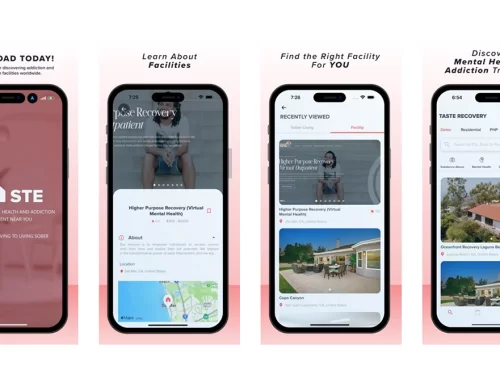
When you’re ready to compare options, you can explore the Taste Recovery directory to browse licensed Orange County programs by level of care, location, and specialty, and take the next step toward treatment that fits your situation.
And once formal treatment ends, recovery is still very much a process. Community organizations like Camp Sober Fest offer ongoing connection, sober events, and peer support that can help you or your loved one stay grounded well beyond discharge.