Various types of addiction can affect anyone, no matter their background or lifestyle. While every addiction looks different, they all share one thing in common: a powerful grip on the mind and body that makes change feel difficult.
Understanding addiction and its types and how they affect the brain and daily life can help individuals recognize the signs and find the right path to recovery.

Understanding Addiction and How It Works
Addiction is a condition that changes how the brain works. It happens when a person becomes dependent on a substance or behavior to feel good or relieve stress. Over time, the brain starts to crave that feeling, even when it causes harm.
It often begins with something that seems harmless, such as a drink, social media use, or medication. But repeated use rewires the brain’s reward system, releasing dopamine (the “feel-good” chemical) and creating a strong urge to repeat the behavior.
As addiction develops, it affects thinking, decision-making, and self-control. Important parts of life, like relationships, work, and health, may take a back seat to the craving. Because of these changes, addiction is considered a brain disorder that makes quitting hard without help.
How Addiction Affects the Brain and Daily Life
Understanding how addiction changes the brain helps explain why it’s so hard to quit and how it impacts everyday life. Below, you’ll see how different parts of the brain are affected and what that looks like day to day.
1. Addiction changes brain circuits that control reward, stress, and self-control
Repeated use of a substance, or repeating a behavior, trains the brain’s reward system to “want” that experience very strongly. Over time, this “wanting” can grow even if the person doesn’t “like” it as much anymore, which helps explain strong cravings and relapse.1
2. Dopamine and the reward system are key
Addictive drugs and cues can cause fast spikes in dopamine. With long-term use, baseline dopamine function drops, and the parts of the brain that help with planning and self-control don’t work as well. This makes urges harder to resist and everyday pleasures feel dull.1
3. Habits take over; control systems weaken
As addiction progresses, brain changes spread from the reward center to areas involved in habits and decision-making (striatum, orbitofrontal, and prefrontal cortex). This shift makes behavior more automatic and less guided by long-term goals.2
4. Stress systems fuel the cycle
Chronic use and withdrawal activate brain stress pathways (like CRF and related systems). The body settles into an unhealthy “allostatic” state – always off balance – which drives negative moods and motivates more use to feel “normal.” 3
5. Thinking and decision-making are affected
People with addictions often show riskier choices and trouble learning from losses. Classic tests like the Iowa Gambling Task highlight these real-world decision problems and link them to changes in the ventromedial prefrontal cortex.4
6. Behavioral addictions tap similar brain pathways
Conditions like gambling disorder activate craving and control circuits much like drug addictions, which is why gambling is now grouped with substance use disorders in diagnostic systems. Brain imaging shows both overlaps and some differences.
What this looks like in daily life
- Stronger cravings and triggers: Cues (places, people, apps) spark urges that feel hard to ignore.
- Less pleasure from normal activities: Hobbies, work, or relationships may feel flat compared to the addiction.
- Slip-ups under stress: Bad days, lack of sleep, or conflict can nudge a return to use or compulsive behavior.
- Decision slips: Choosing short-term relief over long-term goals (health, money, trust) becomes more common.
- Social and work strain: Missed duties, conflict, and financial problems can build as the cycle continues. (These follow from the brain changes above and are widely documented in clinical research summaries.)1
When the brain’s balance is disrupted this way, understanding the specific type of addiction becomes even more important, which leads us to the different types of addiction and how they differ.
The Main Types of Addiction
Addiction can take many forms, but most fall into these three main categories.
Each type affects the brain in similar ways by creating cravings, loss of control, and continued use despite harm, but what a person becomes addicted to can be very different.
1. Substance Addiction
Substance addiction happens when a person becomes physically or mentally dependent on a drug or chemical. These substances directly affect the brain’s reward system and can cause withdrawal symptoms when stopped.
Common types include:
- Alcohol addiction – Regular drinking can turn into dependency, leading to health problems, blackouts, and mood changes.
- Drug addiction – Includes both illegal drugs (like cocaine, heroin, meth) and prescription medications (like opioids or sedatives) that are misused for their effects.
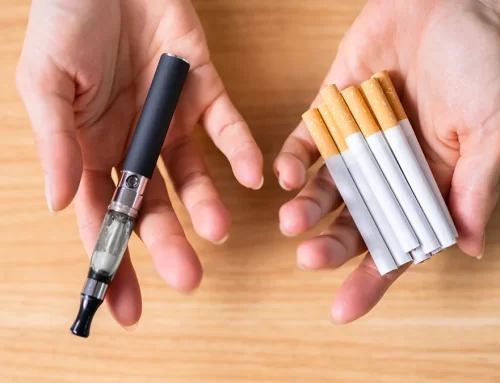
- Nicotine addiction – Found in cigarettes and vapes, nicotine creates powerful cravings and is one of the hardest substances to quit.
- Caffeine addiction – Though milder, heavy caffeine use can cause headaches, fatigue, and irritability when reduced or stopped.
2. Behavioral Addiction
Behavioral addiction doesn’t involve a chemical substance but acts on the same brain pathways. The person becomes hooked on the feeling or excitement of the activity itself.
Common types include:
- Gambling addiction – The thrill of risk and reward can make gambling feel irresistible, leading to financial and emotional damage.
- Internet or gaming addiction – Spending hours online or gaming can interfere with sleep, work, and relationships.
- Shopping addiction – Buying things to cope with stress or boost mood can cause guilt and financial strain.
- Exercise addiction – Working out excessively, even when injured or exhausted, to maintain control or relieve anxiety.
- Sex and pornography addiction – Compulsive sexual behavior or viewing can harm relationships and emotional well-being.
3. Process Addiction
Process addiction overlaps with behavioral ones, but focuses more on routine activities that become unhealthy when done excessively or for emotional escape.
Common types include:
- Food addiction – Using food for comfort or reward, often leading to overeating and health issues.
- Work addiction (workaholism) – Feeling driven to work nonstop, even at the cost of rest, relationships, or health.
- Technology and social media addiction – Constantly checking devices or apps for validation or distraction.
Each type of addiction affects people differently, but they all share one thing in common: a loss of control over behavior or use.
Recognizing what kind of addiction a person faces is the first step to finding the right treatment and support.
How Taste Recovery Helps You Find Support
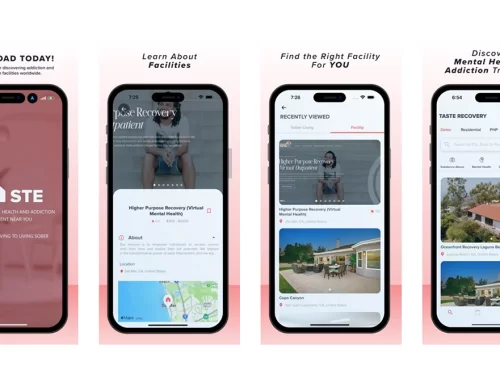
Finding help for addiction can be difficult, as everyone’s needs are different. Taste Recovery simplifies the process by connecting people to treatment centers and professionals who specialize in their specific addiction and mental health needs.
Users can search and compare centers by location, treatment style, and expertise to find personalized, trusted care for alcohol, drug, gambling, or behavioral addictions.
Since many also face mental health challenges like anxiety or depression, Taste Recovery highlights centers offering integrated treatment that addresses both issues for lasting recovery.
By guiding individuals to the right support, Taste Recovery helps them take the first step toward healing and long-term wellness.
Sources:
- Volkow, N. D., Koob, G. F., & McLellan, A. T. (2016). Neurobiologic advances from the brain disease model of addiction. New England Journal of Medicine, 374(4), 363–371. https://doi.org/10.1056/nejmra1511480
- Koob, G. F., & Volkow, N. D. (2010). Neurocircuitry of Addiction. Neuropsychopharmacology, 35(1), 217–238. https://doi.org/10.1038/npp.2009.110
- Koob, G. F. (2008). A Role for Brain Stress Systems in Addiction. Neuron, 59(1), 11–34. https://doi.org/10.1016/j.neuron.2008.06.012
- Brevers, D., Bechara, A., Cleeremans, A., & Noël, X. (2013). Iowa Gambling Task (IGT): twenty years after – gambling disorder and IGT. Frontiers in Psychology, 4. https://doi.org/10.3389/fpsyg.2013.00665